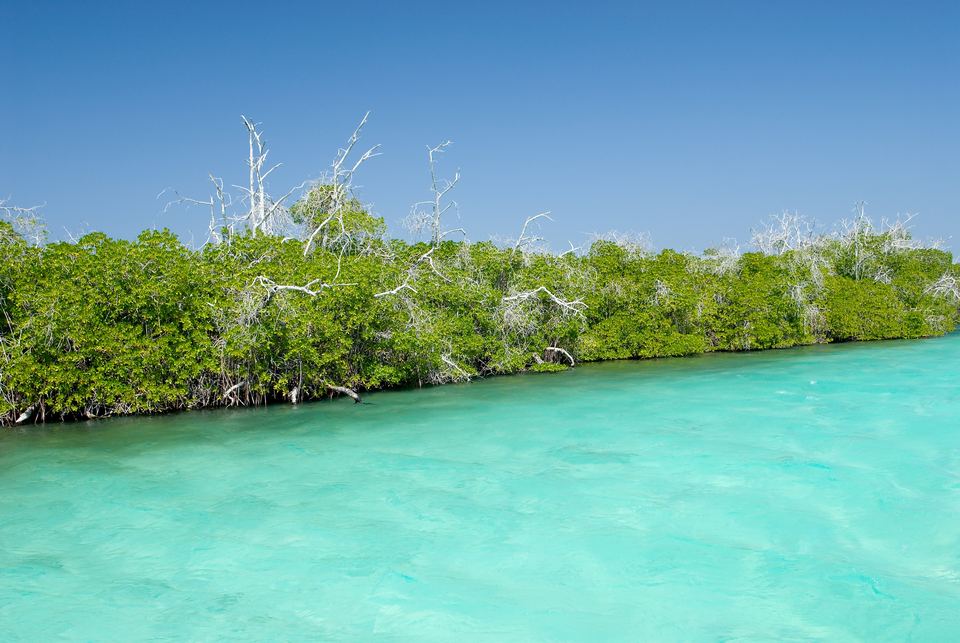
La Tortuga has been relatively little studied, but what is known marks it out as an important place for conservation.
Mangroves and lagoons
Mangrove forest lines the south and east coasts and several lagoons, which depend on rainwater stored in the island's karst terrain. The lagoons surveyed hold saline groundwater and, except Los Mogotes, have no direct connection to the sea; they are fringed with black mangrove (Avicennia germinans) and red mangrove (Rhizophora mangle). At Punta de Ranchos, seasonal ponds are ringed by salt-tolerant plants such as Batis maritima, Sesuvium portulacastrum and Salicornia.
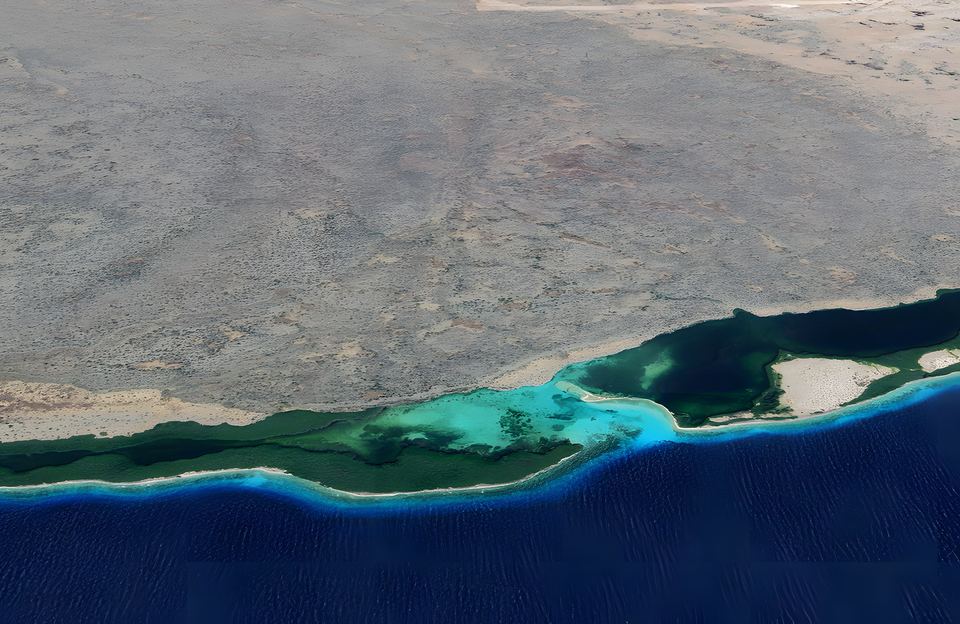
The sandy ground supports extensive, well-preserved salt-tolerant grasslands and limestone-sand dunes colonised by shrubs and herbs.
Shorebirds
The island sits on the flyway of shorebirds migrating between North and South America. Between August and December, a census of five wetlands on the island and two cays (Herradura and Tortuguillo Este) counted 987 birds of 20 species. Numbers were high in August, September and October and fell in November and December; the most important species were Lesser Yellowlegs (Tringa flavipes) and Western Sandpiper (Calidris mauri). The study recorded Dunlin (Calidris alpina) and Killdeer (Charadrius vociferus) for the first time on Venezuela's islands.
Altogether at least 76 bird species have been recorded on the island, including North American migrants and several gulls and terns that breed there.
Sea turtles
Venezuela has five sea-turtle species: green, loggerhead, hawksbill, leatherback and olive ridley. According to Fundación Tierra Viva, all five use La Tortuga to feed or nest, and four nest on its beaches. Sources differ on the details: Venezuela Tuya lists leatherback, hawksbill, green and loggerhead as nesting species, and the WIDECAST viewer marks La Tortuga as a nesting site for green, loggerhead, hawksbill and leatherback, without counts. All are threatened.
If you see a turtle or a nest
Keep your distance, don't shine lights on the beach at night, and never touch eggs or hatchlings. The hawksbill has been fully protected under Venezuelan law since 1979.
Reefs
The island has important coral reefs, lush mangroves and extensive seagrass meadows that support rich biodiversity. From Cayo Herradura, dive groups make short trips to the coral barriers and the drop-offs south of the main island.